Pelvic Ergonomics & Core Support
Analyzing the biomechanical impact of stationary postures on the lower torso, and identifying the structural requirements for enduring comfort.
The Mechanics of Seated Pressure
Unlike standing, where weight is distributed dynamically through the legs, sitting transfers the entire upper body mass onto the ischial tuberosities (sit bones) and the surrounding pelvic region. Over prolonged hours, this concentrated pressure can compress soft tissues and restrict local vascular flow.
Maintaining a neutral pelvic tilt is the foundation of seated vitality. A posterior tilt (slouching) places excessive strain on the lower lumbar discs, while an extreme anterior tilt overworks the lower back musculature.
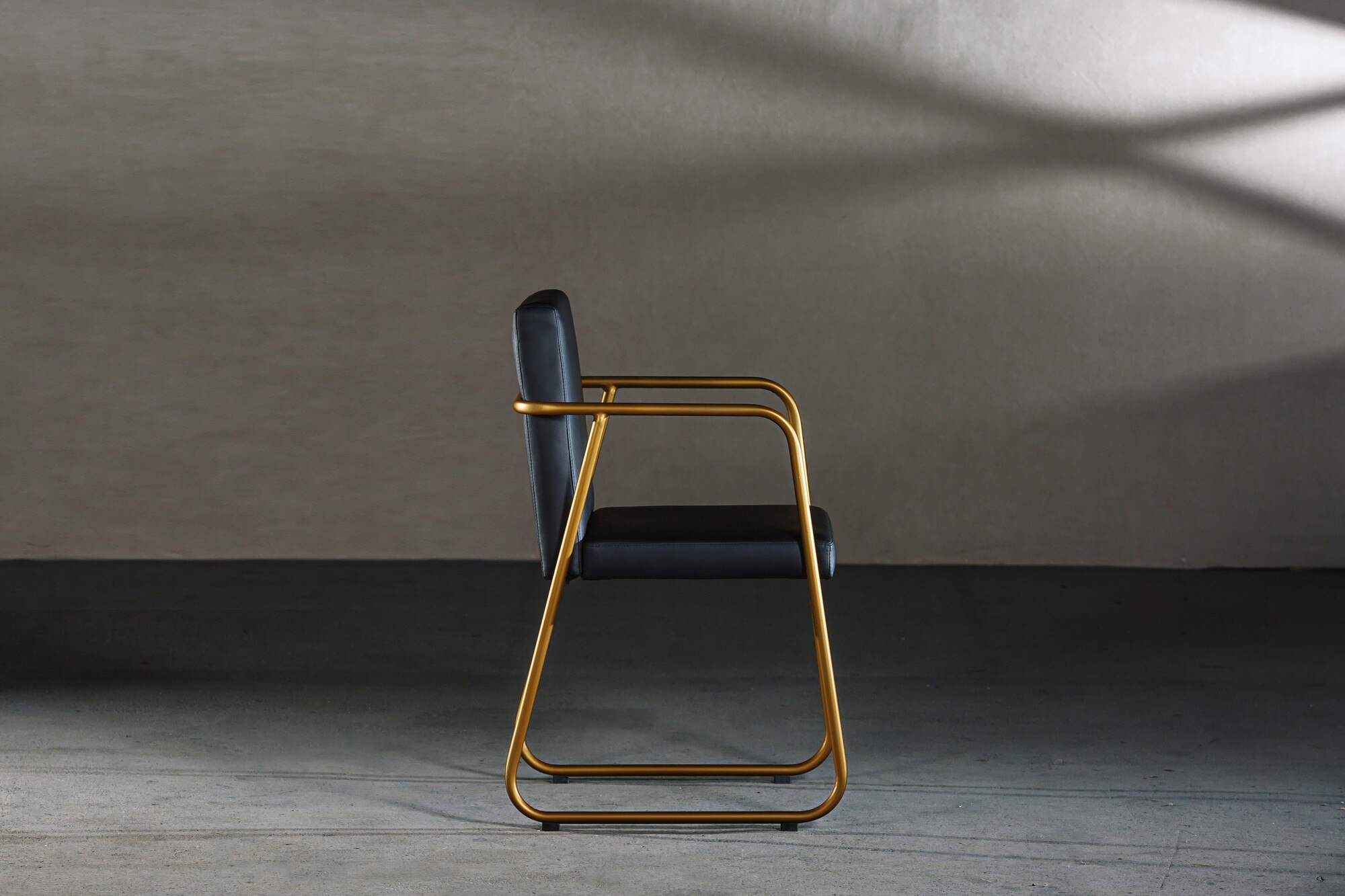
Base Support
The seating surface must be firm enough to support the skeletal structure without allowing the pelvis to sink, preventing the compromise of vascular pathways.
Knee Alignment
Knees should be positioned level with or slightly below the hips. This angle opens the pelvic region and facilitates unobstructed blood return from the lower extremities.
Core Engagement
The chair's backrest should support the natural lumbar curve, but a degree of active core engagement must be maintained by the individual to preserve structural integrity.
Transitioning from Static to Active
Understanding the correct posture is only the first step. The human body requires movement to maintain efficiency. Discover the protocols necessary to implement motion within a static environment.
View Active ProtocolsDisclaimer: The ergonomic principles discussed are for educational and informational purposes only. They do not constitute medical advice or diagnostic criteria. Please consult a healthcare professional for physical pain or medical conditions.